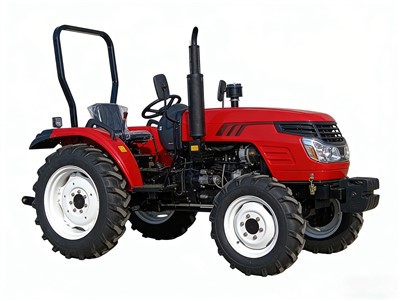
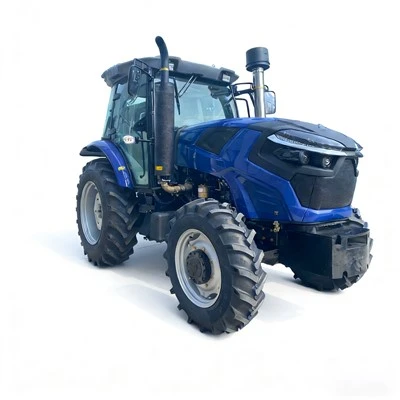
Servicing the transmission of a small tractor is a crucial aspect of maintaining its performance and longevity. As a small tractor supplier, I understand the significance of proper transmission care. In this blog, I will share detailed steps and tips on how to service the transmission of a small tractor effectively.

Understanding the Transmission System
Before delving into the servicing process, it's essential to have a basic understanding of the small tractor's transmission system. The transmission is responsible for transferring power from the engine to the wheels, allowing the tractor to move at different speeds. There are two main types of transmissions in small tractors: manual and automatic.
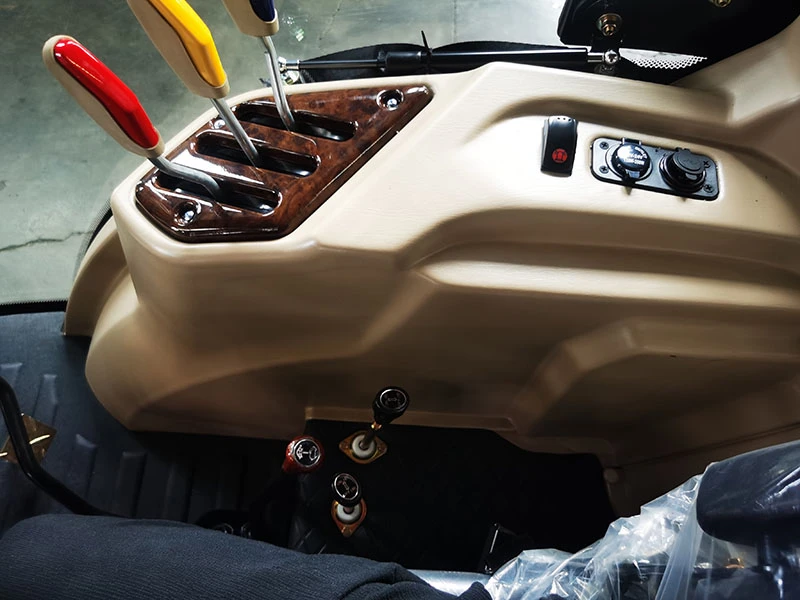
Manual transmissions require the operator to shift gears manually using a gear lever. Automatic transmissions, on the other hand, shift gears automatically based on the tractor's speed and load. Each type has its own unique characteristics and servicing requirements.
Pre - Service Inspection
Before starting the servicing process, a thorough pre - service inspection is necessary. This helps to identify any potential issues or signs of wear and tear.
- Visual Inspection: Check the transmission for any signs of leaks. Look for oil stains under the tractor or around the transmission housing. A leak could indicate a damaged seal or gasket.
- Fluid Level Check: Locate the transmission fluid dipstick (usually near the transmission). Remove the dipstick, wipe it clean, and then re - insert it. Pull it out again and check the fluid level. The fluid should be within the recommended range on the dipstick. If the fluid is low, it may indicate a leak or excessive wear.
- Inspect the Transmission Mounts: Check the mounts that hold the transmission in place. Look for any signs of damage, such as cracks or looseness. Damaged mounts can cause vibrations and misalignment, which can affect the transmission's performance.
Servicing the Manual Transmission
If your small tractor has a manual transmission, the following steps are essential for proper servicing:
- Draining the Transmission Fluid: Park the tractor on a level surface and engage the parking brake. Locate the drain plug at the bottom of the transmission. Place a drain pan beneath the plug and carefully remove it. Allow the old transmission fluid to drain completely. Make sure to dispose of the old fluid properly, as it is considered hazardous waste.
- Changing the Transmission Filter: Many manual transmissions have a filter that helps to remove contaminants from the fluid. Locate the filter, which is usually near the transmission housing. Remove the filter and replace it with a new one. Make sure to follow the manufacturer's instructions for proper installation.
- Refilling the Transmission Fluid: Once the old fluid has drained and the filter has been replaced, it's time to refill the transmission with fresh fluid. Refer to the tractor's owner's manual for the recommended type and amount of transmission fluid. Slowly pour the fluid into the transmission through the fill hole until it reaches the appropriate level on the dipstick.
- Adjusting the Clutch (if applicable): The clutch is an important part of the manual transmission system. Over time, the clutch may need adjustment. Check the clutch pedal for proper free play. If the free play is incorrect, adjust it according to the manufacturer's specifications.
Maintenance Tips for Long - Term Transmission Health
- Regular Servicing: Follow the manufacturer's recommended servicing schedule. Regularly changing the transmission fluid and filter helps to keep the transmission clean and functioning properly.
- Proper Driving Habits: Avoid aggressive driving, such as sudden acceleration or hard braking. These actions can put additional stress on the transmission and lead to premature wear.
- Load Management: Do not overload the tractor beyond its recommended capacity. Overloading can cause the transmission to overheat and wear out more quickly.
- Keep the Transmission Cool: Make sure the tractor's cooling system is working properly. An overheated transmission can cause damage to the internal components.
Our Small Tractor Offerings
As a small tractor supplier, we offer a wide range of high - quality small tractors to meet your needs. Our 40HP Compact Greenhouse Tractor is perfect for greenhouse operations, providing excellent maneuverability and power. The 70HP Greenhouse Tractor offers even more power for larger greenhouse tasks. And our 35hp Tractor is a versatile option for various small - scale farming and landscaping applications.
Contact Us for Purchasing
If you are interested in purchasing a small tractor or have any questions about tractor transmission servicing, we encourage you to contact us. Our team of experts is ready to assist you with your needs and provide you with the best solutions for your farming or landscaping requirements.
References
- Tractor Owner's Manuals
- Industry publications on tractor maintenance and repair