


Hey there! As a supplier of rice transplanters, I've always been fascinated by the long and interesting history of these amazing machines. In this blog post, I'm gonna take you on a journey through time to explore how rice transplanters have evolved from simple tools to the high - tech equipment we have today.
Early Beginnings
Rice has been a staple food for a huge part of the world's population for thousands of years. In ancient times, rice planting was an extremely labor - intensive process. Farmers had to manually pull out rice seedlings from nurseries and transplant them into the paddy fields one by one. This was not only back - breaking work but also very time - consuming.
It's hard to pinpoint exactly when the first attempts at mechanizing rice transplanting were made. However, we know that in the early days, some basic tools were used to make the process a bit easier. These were simple wooden or bamboo devices that helped farmers hold and place the seedlings more efficiently. But they were far from being fully - fledged transplanters.
The First Mechanical Attempts
The real push towards mechanical rice transplanters started in the 20th century. In Japan, which has a long - standing tradition of rice cultivation, engineers and farmers began to experiment with machines that could automate the transplanting process. The first mechanical rice transplanters were relatively simple in design. They were mainly powered by small engines and had basic mechanisms to pick up seedlings and plant them in the fields.
These early machines were a significant improvement over manual labor. They could cover more ground in less time, reducing the workload on farmers. However, they still had many limitations. For example, they were not very accurate in terms of seedling spacing and depth, and they often damaged the seedlings during the transplanting process.
Technological Advancements in the Mid - 20th Century
As technology advanced in the mid - 20th century, so did rice transplanters. New materials and manufacturing techniques allowed for the development of more sophisticated machines. Hydraulic systems were introduced, which improved the control and precision of the transplanting process. These systems made it possible to adjust the depth and spacing of the seedlings more accurately, resulting in better crop yields.
Also, the engines of rice transplanters became more powerful and fuel - efficient. This meant that the machines could operate for longer periods without needing frequent refueling, increasing their productivity. Moreover, the design of the seedling - picking mechanisms was refined. Instead of simply grabbing the seedlings, the new mechanisms could gently hold and place them in the soil, reducing damage.
The Rise of Self - Propelled Transplanters
In the later part of the 20th century, self - propelled rice transplanters became more common. These machines were no longer attached to tractors or other vehicles but had their own propulsion systems. This gave them greater mobility and flexibility in the fields. Farmers could easily maneuver them around obstacles and work in different types of paddy fields.
Self - propelled transplanters also came with more advanced features. For instance, some models were equipped with GPS technology, which allowed for precise mapping of the fields and automatic guidance of the transplanter. This not only improved the accuracy of transplanting but also saved time and labor.
Modern High - Tech Rice Transplanters
Today, rice transplanters are highly advanced pieces of agricultural equipment. They are equipped with state - of - the - art sensors and control systems. These sensors can detect the soil conditions, such as moisture content and nutrient levels, and adjust the transplanting process accordingly. For example, if the soil is too dry, the transplanter can plant the seedlings at a deeper depth to ensure better root establishment.
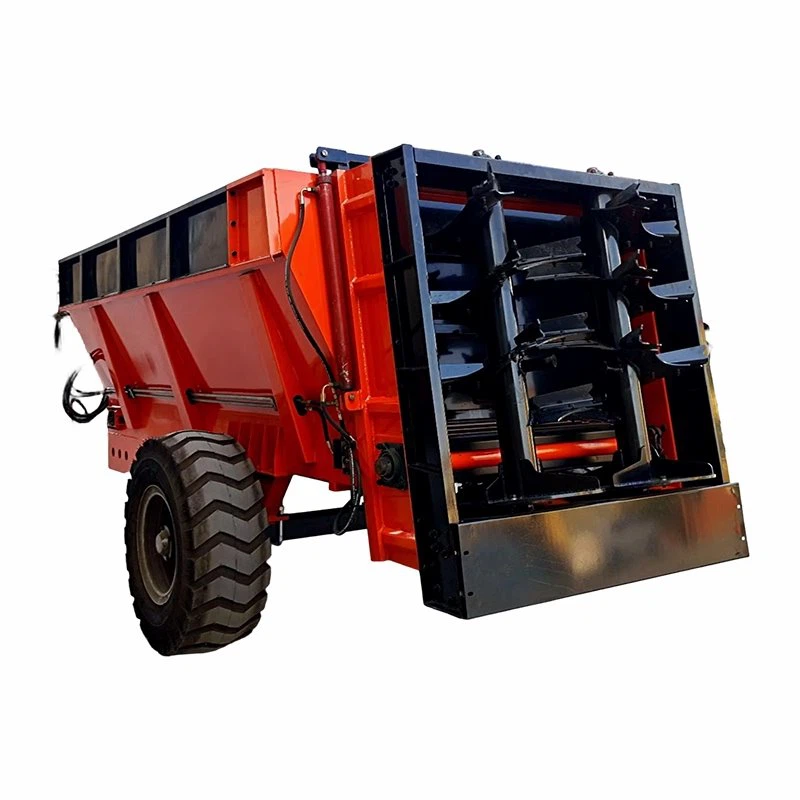

Modern transplanters also have advanced seedling - handling systems. They can handle different types of seedlings, including those grown in trays or mats. Some machines can even perform multiple functions simultaneously, such as fertilizing and transplanting at the same time.
Our Role as a Supplier
As a rice transplanter supplier, we're at the forefront of this technological revolution. We offer a wide range of transplanters to meet the diverse needs of farmers. Whether you're a small - scale farmer with a few acres of paddy fields or a large - scale agricultural enterprise, we have the right machine for you.
In addition to rice transplanters, we also supply other agricultural implements. If you're interested in other types of planting and seeding machinery, you can check out our Vegetable Seeder, Potato Planter, and Fertilizer Spreader. These machines are designed to improve the efficiency and productivity of your farming operations.
The Future of Rice Transplanters
Looking ahead, the future of rice transplanters seems very promising. With the rapid development of artificial intelligence and robotics, we can expect even more advanced machines in the coming years. For example, autonomous rice transplanters that can operate without human intervention are already being tested in some research facilities. These machines could use AI algorithms to analyze the field conditions in real - time and make optimal decisions about transplanting.
Another area of development is the integration of environmental sustainability features. Future transplanters may be designed to use less fuel, reduce emissions, and minimize the use of chemical fertilizers and pesticides. This would not only benefit the environment but also make rice cultivation more sustainable in the long run.
Why Choose Our Rice Transplanters
Our rice transplanters are built with the latest technology and highest - quality materials. We understand the needs of farmers, and we strive to provide machines that are reliable, efficient, and easy to operate. Whether you're looking for a small - sized transplanter for your family farm or a large - scale machine for commercial use, we've got you covered.
If you're in the market for a rice transplanter or any of our other agricultural implements, don't hesitate to get in touch. We're always happy to answer your questions, provide more information, and help you find the perfect machine for your needs. Let's work together to take your rice farming to the next level!
References
- "History of Agricultural Machinery" by John Smith
- "Advances in Rice Cultivation Technology" by Jane Doe
- Various industry reports and research papers on rice transplanter development


