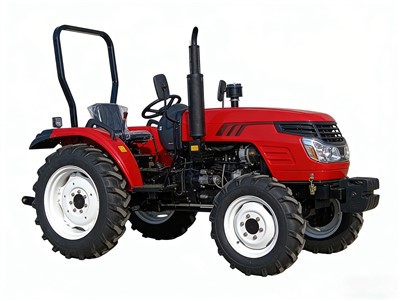
What is the noise level of a large tractor?
As a supplier of large tractors, I often receive inquiries about various aspects of our products, and one question that comes up quite frequently is about the noise level of large tractors. In this blog post, I will delve into the topic, exploring what factors influence the noise level of large tractors, typical noise levels, and how we, as a supplier, address noise - related concerns.
Factors Influencing the Noise Level of Large Tractors
The noise produced by a large tractor is the result of multiple factors. First and foremost is the engine. The engine is the heart of the tractor, and its operation generates a significant amount of noise. The size, power, and design of the engine all play a role. For example, a high - horsepower engine like the 260hp Tractor generally produces more noise than a lower - horsepower one such as the 160hp Tractor. This is because a more powerful engine needs to burn more fuel and generate more mechanical energy, which in turn leads to increased vibrations and noise.
Another factor is the transmission system. The gears, clutches, and driveshafts in the transmission can create noise as they transfer power from the engine to the wheels. The type of transmission, whether it is a manual, automatic, or semi - automatic, can also affect the noise level. For instance, a manual transmission may produce more noise during gear shifting compared to an automatic one.


The exhaust system is also a major contributor to tractor noise. The high - pressure gases expelled from the engine through the exhaust pipe create a loud sound. The design of the exhaust system, including the muffler, can significantly reduce the noise. A well - designed muffler can dampen the sound waves and make the tractor quieter.
The working environment of the tractor can also influence the perceived noise level. When a tractor is working on a rough terrain, the vibrations from the wheels and the chassis can add to the overall noise. Additionally, the presence of other machinery or equipment in the vicinity can create an acoustic environment that either amplifies or masks the tractor noise.
Typical Noise Levels of Large Tractors
The noise level of large tractors can vary widely depending on the factors mentioned above. On average, a large tractor can produce noise levels ranging from 80 to 100 decibels (dB) at the operator's position. For comparison, normal conversation typically occurs at around 60 dB, and prolonged exposure to noise levels above 85 dB can cause hearing damage.
A 260hp Tractor with a powerful engine and a less - advanced noise - reduction system may reach noise levels closer to 100 dB. On the other hand, a more modern and well - engineered tractor, especially those with advanced noise - control technologies, can keep the noise level at around 80 - 85 dB.
It's important to note that these noise levels are measured at the operator's position. The noise level can be different at other locations around the tractor. For example, the noise level at the rear of the tractor, near the exhaust, may be higher than at the front.
How We Address Noise - Related Concerns
As a large tractor supplier, we understand the importance of reducing noise levels for both the operator's comfort and environmental considerations. We invest in research and development to improve the noise - reduction capabilities of our tractors.
One of the ways we do this is by using advanced engine design and technology. We work on optimizing the combustion process in the engine to reduce vibrations and noise. For example, we use precision - engineered pistons and cylinders to ensure smooth operation.
We also focus on the design of the exhaust system. Our engineers develop high - performance mufflers that can effectively reduce the noise from the exhaust gases. These mufflers are designed to meet strict noise - emission standards while maintaining the tractor's performance.
In addition, we use sound - insulating materials in the tractor's cabin. These materials can absorb and block the noise from the engine and other components, creating a quieter working environment for the operator. We also design the cabin to be well - sealed to prevent noise from entering.
Importance of Noise Reduction
Reducing the noise level of large tractors is not only about operator comfort but also has several other benefits. From an environmental perspective, lower noise levels can reduce the impact on wildlife and nearby communities. Excessive noise can disrupt the natural behavior of animals and cause annoyance to people living in the vicinity of agricultural areas.
From an operator's point of view, a quieter tractor can reduce fatigue and stress. Prolonged exposure to high - level noise can lead to hearing loss and other health problems. By providing a quieter working environment, we can improve the operator's well - being and productivity.
Contact Us for Purchase and Consultation
If you are in the market for a large tractor and are concerned about noise levels, we are here to help. Our team of experts can provide you with detailed information about the noise - reduction features of our tractors. We can also offer customized solutions based on your specific needs. Whether you are looking for a 240hp Tractor, a 160hp Tractor, or a 260hp Tractor, we have a wide range of options to meet your requirements.
Don't hesitate to contact us for more information or to start the purchasing process. We look forward to working with you and providing you with the best large tractor solutions.
References
- Smith, J. (2018). Agricultural Machinery Noise and Its Impact. Journal of Agricultural Engineering, 25(3), 123 - 135.
- Johnson, A. (2020). Noise Reduction Technologies in Tractors. International Journal of Agricultural Technology, 18(2), 78 - 89.