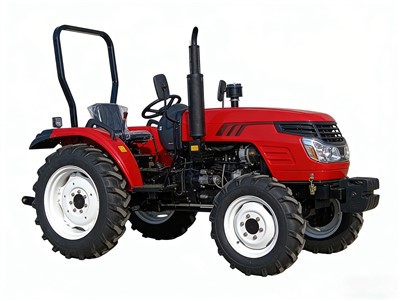
Can a small tractor be used for spraying pesticides? That's a question I get a lot as a small tractor supplier. And the short answer is yes! Small tractors can be great for pesticide spraying, and in this blog, I'll explain why and give you some tips on how to do it right.
First off, let's talk about why a small tractor is a good choice for pesticide spraying. One of the main advantages is its maneuverability. Small tractors are compact and can easily navigate through tight spaces, like between rows of crops in a greenhouse or in small fields. This means you can get the pesticide exactly where it needs to go without having to worry about getting stuck or damaging your crops.
Another benefit is that small tractors are generally more affordable than larger ones. If you're a small - scale farmer or just starting out, you might not have the budget for a big, fancy tractor. A small tractor can give you the functionality you need at a price you can afford.
Now, let's look at some of the small tractors we offer that are well - suited for pesticide spraying. We have the 40HP 4WD Compact Greenhouse Tractor. This tractor is perfect for greenhouse use. Its 4WD system gives it good traction, and its compact size allows it to move around easily in the limited space of a greenhouse. You can attach a pesticide sprayer to it and cover your greenhouse crops efficiently.
Then there's the 75hp EMARK Certified 4WD Tractor. With 75 horsepower, it has enough power to handle larger fields while still being considered a small tractor. The EMARK certification means it meets certain safety and environmental standards, which is important when working with pesticides. It can pull a large - capacity sprayer and cover a significant area in a relatively short time.
And our 60HP Tractor 4 Wheel is also a great option. It strikes a good balance between power and size. It can handle both small and medium - sized fields and is very versatile when it comes to attaching different types of sprayers.
When using a small tractor for pesticide spraying, there are a few things you need to keep in mind. First, make sure you choose the right sprayer for your tractor. There are different types of sprayers, such as boom sprayers, which are great for covering large areas, and spot sprayers, which are more suitable for targeting specific plants. You need to consider the size of your field, the type of crops you're growing, and the type of pesticides you're using.
Second, safety is crucial. Pesticides are chemicals that can be harmful to you, the environment, and your crops if not used correctly. Always wear the appropriate protective gear, like gloves, goggles, and a respirator. Make sure the sprayer is properly calibrated so that you're applying the right amount of pesticide.


Third, maintenance is key. Keep your tractor and sprayer in good condition. Regularly check the hoses, nozzles, and pumps for any signs of wear or damage. Clean the sprayer after each use to prevent clogs and corrosion.
Let's talk a bit more about the process of setting up your small tractor for pesticide spraying. Once you've chosen the right sprayer, you need to attach it to the tractor. Most small tractors have a hitch system that allows you to easily attach different implements, including sprayers. Make sure the connection is secure and that the sprayer is level.
Next, you'll need to fill the sprayer with the pesticide. Follow the instructions on the pesticide label carefully. Some pesticides need to be diluted, and you need to use the right amount of water to get the correct concentration.
When you're ready to start spraying, drive at a consistent speed. This will ensure that the pesticide is applied evenly across the field. You may need to make multiple passes depending on the size of your field and the coverage of the sprayer.
One thing to note is that different crops may require different spraying techniques. For example, some crops may need a fine mist, while others may need a more coarse spray. You need to adjust the sprayer settings accordingly.
Another important aspect is timing. You should spray pesticides at the right time of day. Usually, early morning or late evening is the best time because the wind is calmer, and the temperature is lower. This helps to prevent the pesticide from drifting and ensures better coverage.
In addition to these practical considerations, using a small tractor for pesticide spraying can also have environmental benefits. Small tractors generally use less fuel than larger ones, which means less carbon emissions. And by being able to target the pesticide application more precisely, you can reduce the amount of pesticide used, which is better for the environment.
So, if you're in the market for a small tractor for pesticide spraying, we've got you covered. Our tractors are reliable, efficient, and affordable. Whether you're a small - scale farmer, a greenhouse grower, or someone who just needs to take care of a small piece of land, our small tractors can meet your needs.
If you're interested in learning more about our small tractors or want to discuss your specific requirements for pesticide spraying, don't hesitate to reach out. We're here to help you make the right choice for your farming needs.
References:
- Agricultural Machinery Handbook
- Pesticide Application Guidelines