


Can a sprayer be used for spraying water? This is a question that many people, especially those in the agricultural and horticultural sectors, often ask. As a supplier of high - quality Sprayer, I am here to provide a comprehensive answer to this query.
The Basics of Sprayers
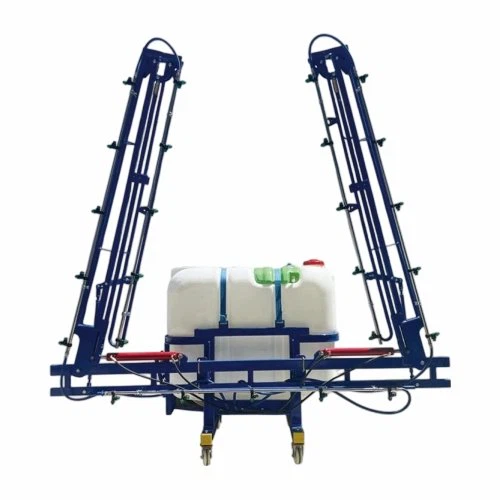
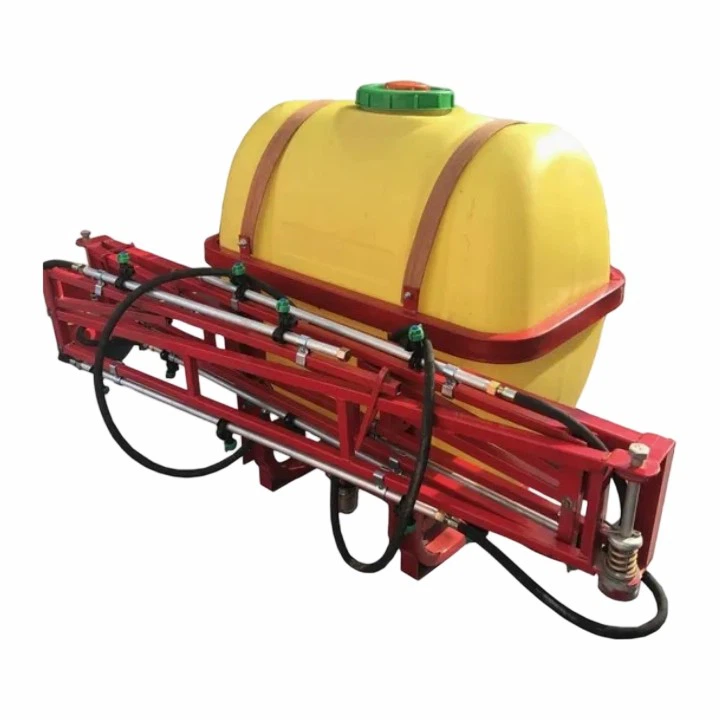
Before delving into whether a sprayer can be used for spraying water, it is essential to understand what a sprayer is. A sprayer is a device that is designed to disperse a liquid in the form of droplets. Sprayers come in various types and sizes, ranging from small handheld models used for gardening to large, tractor - mounted ones for agricultural fields.
The primary function of most sprayers is to apply pesticides, herbicides, fertilizers, and other agro - chemicals to crops. However, the fundamental mechanism of a sprayer allows it to handle different types of liquids, including water.
Why Use a Sprayer for Water Spraying?
There are several reasons why one might want to use a sprayer for spraying water.
1. Efficient Water Distribution
In agricultural settings, water is a vital resource for crop growth. Using a sprayer can ensure that water is distributed evenly across the field. Unlike traditional watering methods, such as flood irrigation, a sprayer can target specific areas, reducing water wastage. For example, in a large orchard, a boom sprayer can be adjusted to cover a wide area, delivering water precisely where it is needed.
2. Precision in Gardening
For gardeners, a handheld sprayer can be a valuable tool for watering delicate plants. It allows for precise control over the amount of water applied, preventing over - watering, which can be detrimental to plant health. You can easily direct the water to the base of the plants or even mist the foliage, which is beneficial for some plant species.
3. Cooling and Humidity Control
In some industrial and commercial settings, sprayers are used to cool down large areas or control humidity. For instance, in a greenhouse, a fine mist of water can be sprayed to lower the temperature and increase humidity, creating an optimal environment for plant growth.
Compatibility of Sprayers with Water
Most sprayers on the market are compatible with water. However, there are a few factors to consider to ensure the proper and efficient use of a sprayer for water spraying.
1. Material Compatibility
The materials used in the construction of the sprayer need to be compatible with water. Most modern sprayers are made of materials such as plastic, stainless steel, or aluminum, which are resistant to corrosion caused by water. However, if the sprayer has been previously used with chemicals, it is crucial to clean it thoroughly before using it for water. Residues of chemicals can contaminate the water and may also damage the sprayer components over time.
2. Nozzle Selection
The nozzle of a sprayer plays a crucial role in determining the pattern and size of the water droplets. Different nozzles are designed for different applications. For watering large areas, a fan - shaped nozzle can be used to cover a wide swath. For more precise watering, a cone - shaped or adjustable nozzle may be more suitable. It is important to select the right nozzle based on the specific water - spraying task.
3. Pressure and Flow Rate
The pressure and flow rate of the sprayer need to be adjusted according to the requirements of the water - spraying job. Higher pressure can result in smaller water droplets and a more even distribution, but it may also require more energy. Lower pressure may be sufficient for gentle watering tasks, such as misting plants. Most sprayers allow for adjustment of the pressure and flow rate, providing flexibility in different applications.
Practical Considerations for Water Spraying with a Sprayer
1. Water Quality
The quality of the water used in the sprayer can affect its performance. Hard water, which contains high levels of minerals such as calcium and magnesium, can cause clogging of the nozzles over time. It is advisable to use filtered or treated water if possible. Additionally, water that is contaminated with debris or sediment should be avoided, as it can also damage the sprayer components.
2. Maintenance
Regular maintenance is essential when using a sprayer for water spraying. After each use, the sprayer should be emptied and rinsed thoroughly to prevent the build - up of mineral deposits. The nozzles should be checked and cleaned regularly to ensure proper functioning. If the sprayer is not going to be used for an extended period, it should be stored in a dry place to prevent rust and corrosion.
3. Safety
When using a sprayer for water spraying, safety precautions should be taken. If the sprayer is powered by electricity or a fuel engine, proper handling and storage of the power source are necessary. When spraying water in an area with people or animals, care should be taken to avoid direct contact with the spray, especially if the water is being sprayed at high pressure.
Case Studies
1. Agricultural Watering
In a large - scale wheat farm, a tractor - mounted sprayer was used for water spraying during a dry spell. By adjusting the nozzles and pressure, the farmers were able to evenly distribute water across the fields, ensuring the healthy growth of the wheat crops. The sprayer's ability to cover a large area quickly and efficiently saved a significant amount of time and water compared to traditional irrigation methods.
2. Greenhouse Humidity Control
A commercial greenhouse used a misting sprayer system to control humidity levels. By spraying a fine mist of water at regular intervals, the greenhouse was able to maintain an ideal humidity range for the plants. This led to improved plant growth and reduced the incidence of diseases caused by low humidity.
Conclusion
In conclusion, a sprayer can indeed be used for spraying water. Its ability to distribute water efficiently, precisely, and in a controlled manner makes it a valuable tool in various settings, including agriculture, gardening, and industrial applications. However, proper consideration of factors such as material compatibility, nozzle selection, water quality, and maintenance is necessary to ensure optimal performance.
As a Sprayer supplier, we offer a wide range of sprayers suitable for water spraying. Our products are designed with high - quality materials and advanced technology to ensure durability and efficiency. If you are interested in purchasing a sprayer for your water - spraying needs, we invite you to contact us for further details and to discuss your specific requirements. Our team of experts is ready to assist you in finding the perfect sprayer solution for your application.
References
- "Sprayer Technology and Application" by John Doe. Published by Agricultural Publishing House, 20XX.
- "Water Management in Agriculture" by Jane Smith. Published by Green Earth Publications, 20XX.
- Manufacturer's manuals of various sprayer models.


