


Adjusting the spray pattern of a sprayer is a crucial skill for anyone involved in agriculture, gardening, or any field that requires the use of spraying equipment. As a Sprayer supplier, I've seen firsthand how a well - adjusted spray pattern can significantly improve the efficiency and effectiveness of spraying operations. In this blog, I'll share some in - depth knowledge on how to adjust the spray pattern of a sprayer.
Understanding the Basics of Spray Patterns
Before we dive into the adjustment process, it's essential to understand the different types of spray patterns. Common spray patterns include flat fan, full cone, hollow cone, and mist. Each pattern has its own unique characteristics and applications.
- Flat Fan Pattern: This pattern is widely used for broadcast spraying on large, flat surfaces. It produces a wide, even spray that covers a large area quickly. It's commonly used in agricultural fields for herbicide and pesticide applications.
- Full Cone Pattern: A full cone pattern sprays in a circular shape, with the liquid distributed evenly throughout the cone. It's suitable for applications where a more concentrated and uniform coverage is required, such as in industrial cleaning or some types of foliar spraying.
- Hollow Cone Pattern: The hollow cone pattern forms a circular ring of spray with a hollow center. It's often used in applications where a high - impact spray is needed, like in some types of fire suppression systems or certain industrial coating processes.
- Mist Pattern: A mist pattern produces a fine, fog - like spray. It's ideal for applications where a light, even coating is required, such as in greenhouse humidity control or some types of pest control in enclosed spaces.
Factors Affecting Spray Patterns
Several factors can influence the spray pattern of a sprayer. Understanding these factors is key to making accurate adjustments.
- Nozzle Type and Size: Different nozzle designs and sizes are specifically engineered to produce different spray patterns. For example, a flat - fan nozzle is designed to create a flat, wide spray, while a cone - shaped nozzle will produce a cone - like spray. The size of the nozzle orifice also plays a role; a larger orifice will generally produce a wider spray pattern and a higher flow rate.
- Pressure: The pressure at which the sprayer operates has a significant impact on the spray pattern. Higher pressures tend to produce finer droplets and can change the shape and width of the spray pattern. For instance, increasing the pressure on a flat - fan nozzle may make the spray pattern wider and more uniform. However, excessive pressure can also cause the droplets to become too fine, leading to drift.
- Flow Rate: The flow rate of the liquid through the nozzle affects the spray pattern. A higher flow rate may result in a more concentrated spray, while a lower flow rate can produce a more dispersed pattern. Flow rate is closely related to nozzle size and pressure; changing one of these factors will often affect the others.
Steps to Adjust the Spray Pattern
Step 1: Select the Right Nozzle
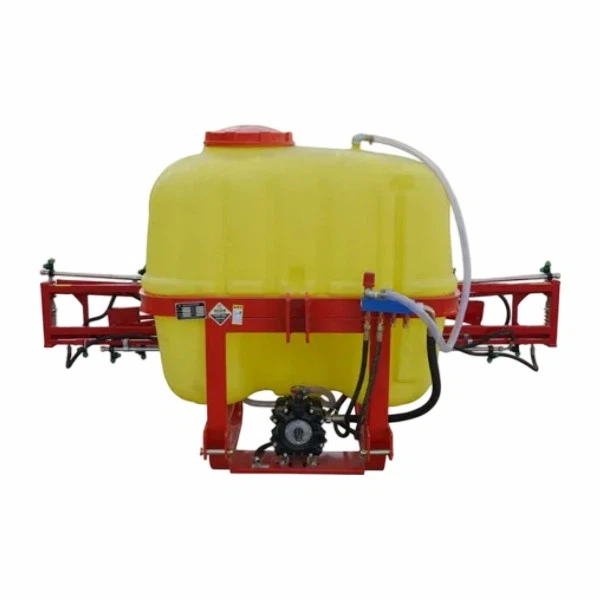
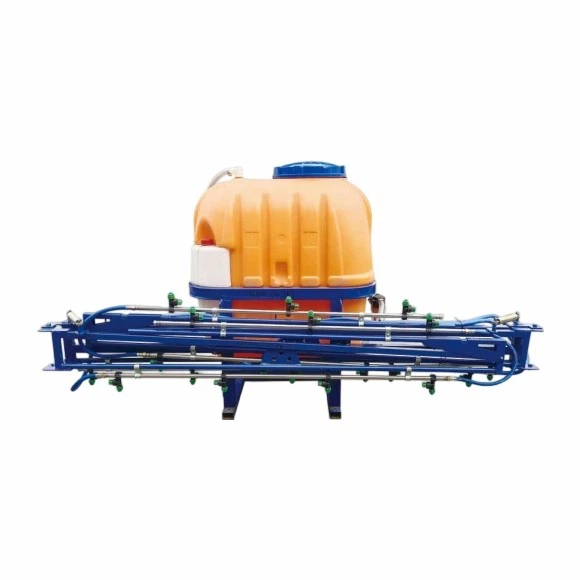
The first step in adjusting the spray pattern is to choose the appropriate nozzle for your application. Consider the type of liquid you're spraying, the target surface, and the desired coverage. If you're spraying a herbicide on a large agricultural field, a flat - fan nozzle may be the best choice. On the other hand, if you're applying a fungicide to a small garden, a full - cone nozzle might be more suitable. You can find a wide range of nozzles on our Sprayer product page.
Step 2: Check and Adjust the Pressure
Once you've selected the nozzle, it's time to check the pressure of your sprayer. Most sprayers have a pressure gauge that allows you to monitor the pressure. If the pressure is too low, the spray pattern may be uneven or too narrow. If it's too high, you may experience drift and other issues.
To adjust the pressure, you can use the pressure regulator on your sprayer. Start by setting the pressure to the recommended level for the nozzle you're using. This information is usually provided by the nozzle manufacturer. Make small adjustments and test the spray pattern after each change. You can do this by spraying on a flat, clean surface and observing the shape and coverage of the spray.
Step 3: Adjust the Flow Rate
The flow rate can be adjusted by changing the nozzle size or by using a flow - control valve on your sprayer. If you need a wider spray pattern, you may want to increase the flow rate slightly. However, be careful not to increase it too much, as this can lead to uneven coverage and excessive waste of the liquid.
If you're using a sprayer with multiple nozzles, make sure that the flow rate is consistent across all nozzles. An uneven flow rate can result in an inconsistent spray pattern across the entire spraying area.
Step 4: Consider the Angle of the Nozzle
The angle at which the nozzle is positioned can also affect the spray pattern. For a flat - fan nozzle, the nozzle should be positioned at a 90 - degree angle to the target surface for the most uniform coverage. For cone - shaped nozzles, the angle may need to be adjusted depending on the specific application and the desired spray pattern.
Step 5: Test and Fine - Tune
After making the initial adjustments, it's important to test the spray pattern in a real - world scenario. Spray a small area and observe the coverage, droplet size, and any signs of drift. If the spray pattern is not satisfactory, make further adjustments to the nozzle type, pressure, flow rate, or angle until you achieve the desired results.
Troubleshooting Common Spray Pattern Issues
Drift
Drift occurs when the spray droplets are carried away from the target area by the wind. This can be caused by excessive pressure, fine droplets, or spraying in windy conditions. To reduce drift, you can lower the pressure, use larger - orifice nozzles to produce larger droplets, and avoid spraying on windy days.
Uneven Coverage
Uneven coverage can be due to a clogged nozzle, inconsistent pressure, or an improper nozzle type. Check the nozzles for clogs and clean them if necessary. Make sure the pressure is consistent across the entire spraying system, and ensure that you're using the right nozzle for the job.
Poor Droplet Size Distribution
If the droplets are either too large or too small, it can affect the effectiveness of the spraying. Too large droplets may not provide adequate coverage, while too small droplets can lead to drift. Adjust the pressure and nozzle type to achieve the optimal droplet size for your application.
Conclusion
Adjusting the spray pattern of a sprayer is a complex but essential process. By understanding the different spray patterns, the factors that affect them, and following the steps outlined above, you can ensure that your spraying operations are efficient, effective, and environmentally friendly.
As a Sprayer supplier, we're committed to providing high - quality sprayers and nozzles that are easy to adjust and maintain. If you have any questions about spray pattern adjustment or need help selecting the right sprayer for your needs, please don't hesitate to contact us. We're here to assist you in making the most of your spraying equipment and achieving the best results in your operations. Whether you're a large - scale farmer or a small - scale gardener, our products and expertise can help you optimize your spraying processes.
References
- "Sprayer Technology Handbook" by John W. Schwab
- "Agricultural Spraying Systems" by the American Society of Agricultural and Biological Engineers


