


What anti - rust coatings can be used in a sprayer?
Hey there! I'm a supplier of Sprayer, and I've been getting a lot of questions lately about what kind of anti - rust coatings are suitable for sprayers. So, I thought I'd write this blog to share some insights on this topic.
First off, why do we even need anti - rust coatings for sprayers? Well, sprayers are often exposed to harsh environments. They come into contact with water, chemicals, and sometimes even salt in certain applications. All these elements can cause rusting, which not only looks bad but can also damage the structural integrity of the sprayer over time. Rust can lead to leaks, reduced performance, and ultimately, a shorter lifespan for your sprayer. So, using the right anti - rust coating is crucial.
Let's start with epoxy coatings. Epoxy is a popular choice for sprayers. It forms a tough, durable barrier on the surface of the sprayer. Epoxy coatings are known for their excellent adhesion, which means they stick really well to the metal of the sprayer. This helps prevent water and oxygen from reaching the metal, which are the main culprits behind rust formation.
One of the great things about epoxy coatings is their chemical resistance. Since sprayers are used to dispense all sorts of chemicals, having a coating that can withstand these substances is a huge plus. Epoxy can resist a wide range of acids, alkalis, and solvents, making it ideal for sprayer applications.
Another advantage of epoxy coatings is their flexibility. They can expand and contract with the metal as it heats up and cools down, without cracking or peeling. This is important because sprayers can experience temperature changes during use, and a coating that can adapt to these changes will last longer.
However, epoxy coatings do have some drawbacks. They usually require a two - part mixing process, which can be a bit tricky if you're not experienced. Also, they need a relatively long curing time, sometimes up to 24 hours or more, depending on the product.
Next up is polyurethane coatings. Polyurethane is another option that offers good anti - rust protection. It has a high level of abrasion resistance, which means it can withstand the wear and tear that sprayers often go through. For example, if the sprayer is being moved around a lot or if there are parts that rub against each other, a polyurethane coating can help prevent damage and rust.
Polyurethane coatings also have a nice finish. They can give the sprayer a smooth, glossy look, which not only looks good but can also make the sprayer easier to clean. Dirt and debris are less likely to stick to a smooth surface, and you can just wipe them off.
In terms of durability, polyurethane coatings are quite long - lasting. They can resist UV rays, which is important if the sprayer is going to be used outdoors. UV rays can break down many coatings over time, but polyurethane holds up well.
But like epoxy, polyurethane coatings also have their cons. They can be more expensive than some other types of coatings. And they can be sensitive to moisture during the application process. If there's too much humidity in the air, it can affect the curing and the quality of the coating.
Then there's zinc - rich primer. Zinc - rich primers work by sacrificing themselves to protect the metal. When the coating is exposed to the elements, the zinc in the primer corrodes instead of the metal underneath. This is called sacrificial protection.
Zinc - rich primers are very effective in preventing rust, especially in areas where there's a high risk of corrosion, like near the ocean where there's salt in the air. They can be used as a base coat, and then you can apply a topcoat on top for added protection and a better finish.
One of the benefits of zinc - rich primers is that they're relatively easy to apply. You can use a brush, roller, or spray gun to apply them. And they dry relatively quickly compared to some other coatings.
However, zinc - rich primers can be a bit brittle. If the sprayer is bent or flexed, the coating may crack, which can reduce its effectiveness.
Now, let's talk about acrylic coatings. Acrylic coatings are known for their fast - drying properties. They can be applied quickly, and you can usually recoat them within a short period of time. This is great if you're in a hurry to get the sprayer back in use.
Acrylic coatings also offer good UV resistance, which is important for outdoor sprayers. They can keep the sprayer looking good and protected from the sun's harmful rays.
They're relatively inexpensive compared to some of the other coatings we've discussed. This makes them a cost - effective option, especially for smaller sprayers or if you're on a tight budget.
But acrylic coatings may not be as durable as epoxy or polyurethane in terms of chemical resistance. They may not hold up as well against strong chemicals, so you need to be careful about what you're spraying with the coated sprayer.
So, how do you choose the right anti - rust coating for your sprayer? Well, it depends on a few factors. First, consider the environment where the sprayer will be used. If it's going to be used near the ocean or in a very humid area, a zinc - rich primer or a coating with high corrosion resistance like epoxy might be a good choice.
Think about the chemicals that the sprayer will come into contact with. If you're using strong acids or alkalis, you'll need a coating that can resist these substances, such as epoxy or polyurethane.
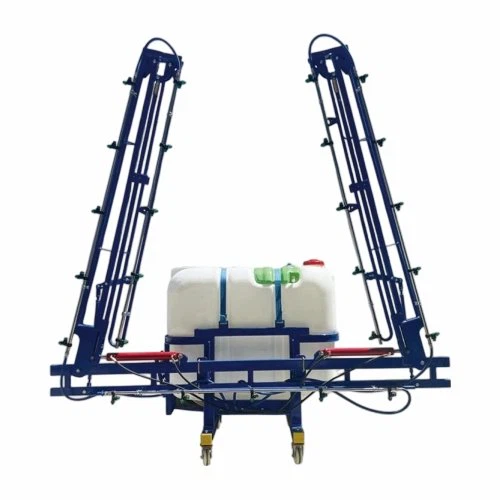
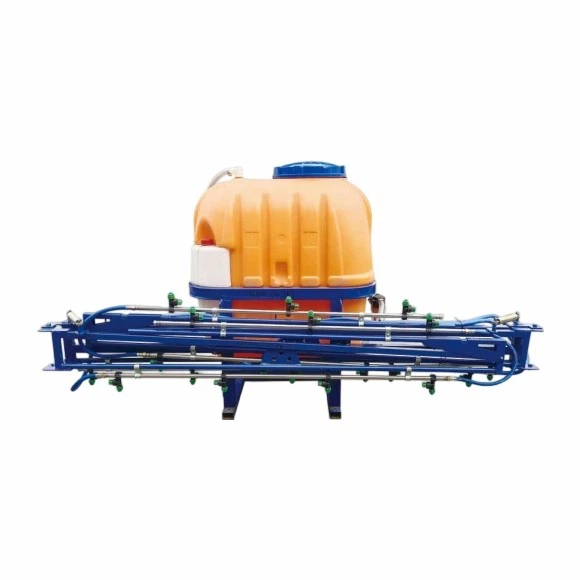
Your budget is also an important factor. If you're on a tight budget, acrylic coatings might be a good option. But if you're willing to spend more for a long - lasting, high - performance coating, epoxy or polyurethane could be worth the investment.
Finally, consider the application process. If you're not experienced in applying coatings, you might want to choose a coating that's easy to apply, like a zinc - rich primer or an acrylic coating.
As a sprayer supplier, I've seen firsthand the difference that a good anti - rust coating can make. It can extend the life of your sprayer, improve its performance, and save you money in the long run. If you're interested in learning more about anti - rust coatings for your sprayer or if you're looking to purchase a high - quality sprayer, feel free to reach out. We can have a chat about your specific needs and find the best solution for you.
References
- "Coatings Technology Handbook" by P. K. T. Oldring
- "Corrosion Prevention and Protection" by George S. Frankel


